

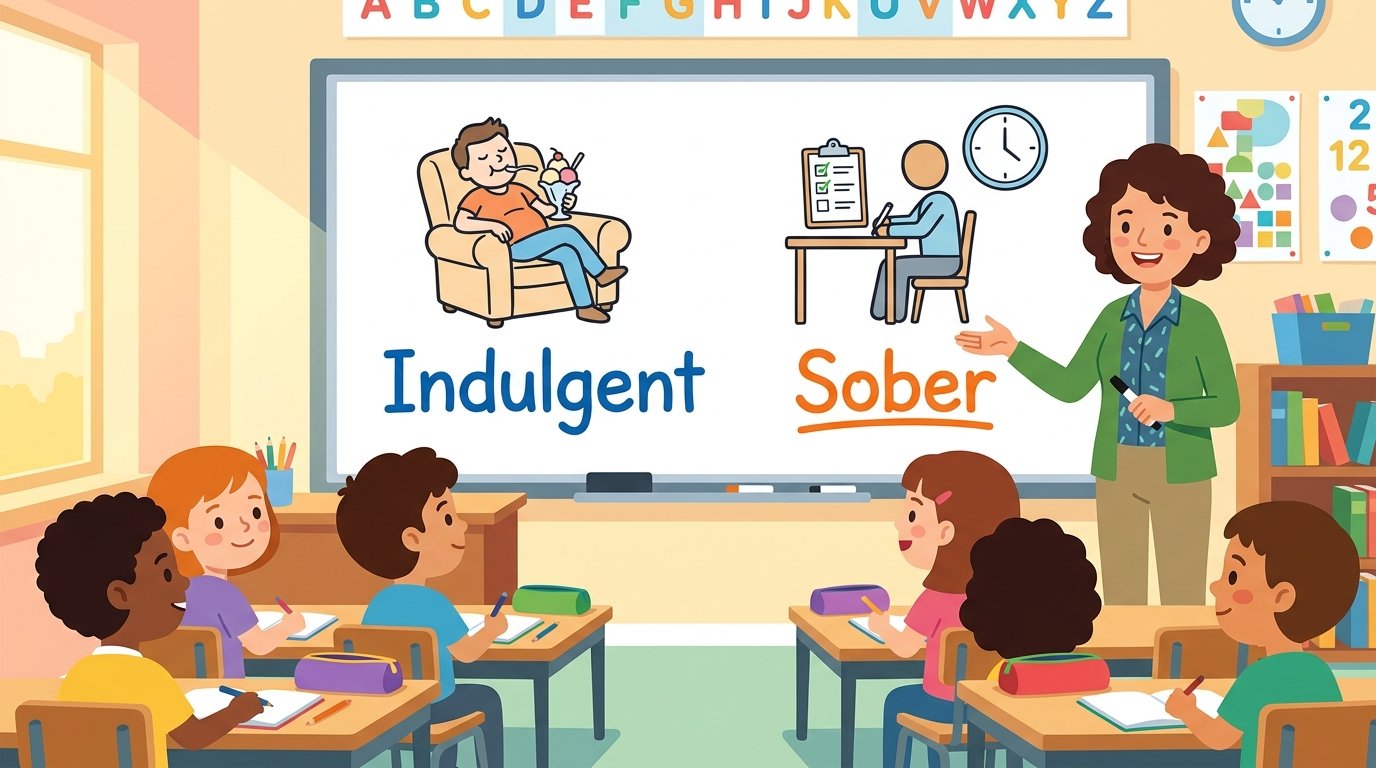
People often describe personalities, lifestyles, or behaviors as either indulgent or sober, yet plenty of people don’t fully grasp what those words actually mean. The comparison of indulgent vs sober goes well beyond food, drinking habits, or appearance. It reflects entirely different approaches to emotions, decision-making, discipline, pleasure, and self-control.
Some people naturally lean toward enjoyment, comfort, and spontaneity, while others prefer restraint, seriousness, and practicality. Neither personality style is automatically good or bad — in most cases, the healthiest balance sits somewhere in the middle.
This guide covers the indulgent vs sober meaning, how these traits show up in personality and behavior, the key differences between them, and what each style can reveal about someone’s mindset and lifestyle.
What Does “Indulgent” Mean?
The word “indulgent” describes someone who allows themselves or others extra pleasure, comfort, or freedom without strict restraint.
An indulgent person often:
- Enjoys luxuries and treats
- Prioritizes pleasure and comfort
- Avoids excessive restriction
- Gives in to desires more easily
- Takes a relaxed approach to rules
Being indulgent doesn’t always mean being irresponsible. In plenty of situations, it simply reflects warmth, generosity, or a genuine desire to enjoy life fully.
Examples of Indulgent Behavior
- Buying dessert even while dieting
- Taking long vacations for relaxation
- Spoiling children or loved ones
- Spending freely on hobbies
- Choosing enjoyment over strict discipline
The word can carry either a positive or negative connotation depending on context.
What Does “Sober” Mean?
Many people associate “sober” purely with avoiding alcohol, but the word actually carries broader meanings.
In personality and behavior, “sober” often describes someone who is:
- Serious
- Calm
- Disciplined
- Practical
- Emotionally controlled
A sober individual tends to think carefully before acting, and often avoids extremes or unnecessary indulgence.
Examples of Sober Behavior
- Sticking closely to a budget
- Making practical decisions instead of emotional ones
- Maintaining self-control under pressure
- Preferring simplicity over luxury
- Taking responsibilities seriously
The term generally suggests stability, maturity, and moderation.
Where the Real Difference Lies
The contrast between “indulgent” and “sober” boils down to one major difference: pleasure versus restraint.
Indulgent Traits
- Pleasure-seeking
- Relaxed
- Expressive
- Comfort-focused
- Emotionally driven
Sober Traits
- Restrained
- Serious
- Careful
- Rational
- Discipline-focused
This comparison shows up frequently in discussions about personality, parenting, lifestyle, fashion, and psychology.
Indulgent vs Sober Personality
When people discuss personality types, these traits usually describe how someone responds to emotions, desires, and responsibilities.
Indulgent Personality Traits
People with indulgent personalities often:
- Enjoy spontaneity
- Value emotional satisfaction
- Prefer flexibility over strict structure
- Appreciate luxury or comfort
- Express emotions openly
They tend to come across as warm, fun-loving, and generous.
That said, in extreme cases, indulgence can lead to:
- Overspending
- Lack of discipline
- Impulsive decisions
- Avoidance of responsibility
Sober Personality Traits
A sober personality often includes:
- Strong self-discipline
- Logical thinking
- Emotional control
- Reliability
- Practical decision-making
These individuals are frequently viewed as dependable and mature.
On the downside, excessive seriousness can sometimes make someone seem:
- Emotionally distant
- Overly cautious
- Rigid
- Less spontaneous
These Traits in Everyday Life
These traits show up in everyday choices far more often than most people realize.
Spending Habits
Indulgent people may spend more freely on experiences and comfort, while sober people usually prioritize savings and practicality.
Relationships
Indulgent personalities may show affection openly and emotionally, while sober personalities tend to express care through responsibility and consistency.
Work Environments
Indulgent workers often value creativity and flexibility, while sober workers tend to focus on structure and reliability.
Lifestyle Choices
Indulgent lifestyles often emphasize enjoyment and pleasure, while sober lifestyles usually emphasize moderation and control.
What Do These Terms Mean in Psychology?
In psychology and personality analysis, these terms often describe behavioral tendencies rather than fixed identities.
An indulgent mindset may prioritize:
- Immediate satisfaction
- Emotional fulfillment
- Reward-driven behavior
A sober mindset may prioritize:
- Long-term goals
- Self-regulation
- Rational thinking
Modern psychology generally recognizes that both tendencies exist in most people to varying degrees.
Is One Better Than the Other?
Not necessarily. Both approaches carry their own strengths and weaknesses.
Benefits of an Indulgent Approach
- Encourages enjoyment
- Reduces stress
- Supports emotional expression
- Promotes creativity and spontaneity
Benefits of a Sober Approach
- Improves self-control
- Encourages responsibility
- Supports long-term planning
- Reduces impulsive decisions
Most healthy lifestyles blend elements of both.
A Simple Definition to Remember
Here’s a simple way to remember the difference:
- Indulgent = allowing pleasure and comfort freely
- Sober = practicing restraint and seriousness
This definition applies not just to personality, but also to behavior, appearance, and lifestyle in general.
Common Contexts Where These Words Show Up
Parenting
Indulgent parents may avoid strict rules, while sober parents often emphasize discipline and structure.
Fashion and Design
Indulgent styles can look luxurious or extravagant, while sober styles tend to appear simple and understated.
Food and Dining
Indulgent meals feel rich and comforting, while sober meals tend to be plain, balanced, or practical.
Communication Style
Indulgent communication tends to be emotional and expressive, while sober communication is usually direct and controlled.
How to Balance Indulgence and Sobriety
Most experts agree that balance is healthier than either extreme.
Here are a few ways people maintain that balance:
- Enjoy rewards without overdoing them.
- Stay disciplined while allowing occasional flexibility.
- Make thoughtful decisions without becoming emotionally disconnected.
- Practice moderation instead of complete restriction.
A balanced personality often blends emotional warmth with practical judgment.
FAQs About Indulgent vs Sober
What is indulgent vs sober?
It refers to the contrast between pleasure-focused behavior and restrained, disciplined behavior.
What does indulgent vs sober mean in personality?
In personality discussions, indulgent people tend to prioritize enjoyment and emotional expression, while sober people prioritize control and practicality.
Is being sober always related to alcohol?
No. “Sober” can also describe someone who is serious, calm, disciplined, or moderate in behavior.
Can a person be both indulgent and sober?
Yes. Most people show both traits depending on the situation.
Is an indulgent personality bad?
Not necessarily. Indulgence can encourage happiness, warmth, and creativity when balanced responsibly.
What are sober personality traits?
Common sober traits include discipline, emotional control, practicality, and reliability.
Conclusion
Understanding indulgent vs sober helps explain why people approach life, relationships, and decisions so differently. Indulgent personalities often seek enjoyment, comfort, and emotional expression, while sober personalities value restraint, structure, and practical thinking.
Neither style is inherently better. In reality, the most balanced individuals tend to blend the strengths of both approaches — they know when to enjoy life freely and when to stay disciplined and focused.
If you enjoy exploring personality traits, language meanings, and behavioral differences, it’s worth reading more guides on psychology, communication, and self-development to deepen your understanding even further.







Leave a Reply