

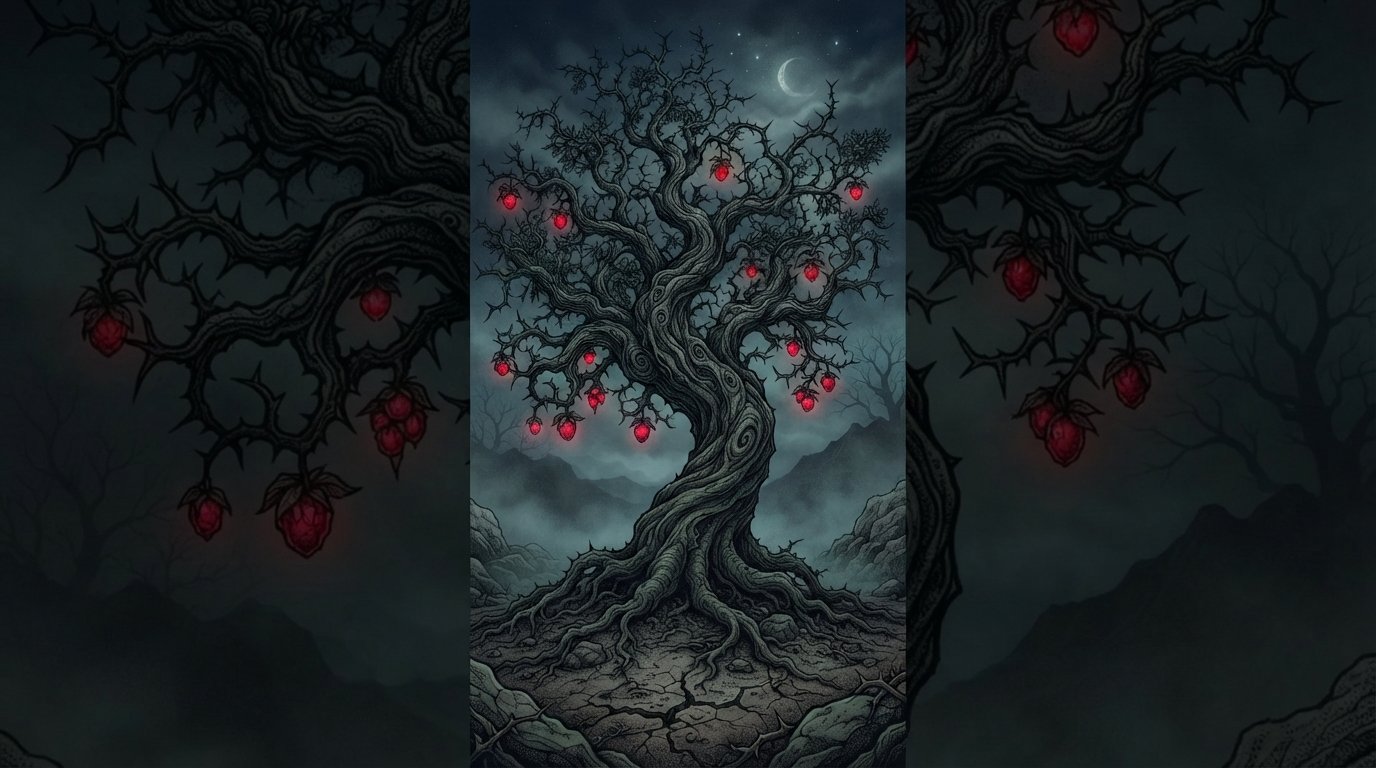
Tattoos have always been more than decoration — they’re personal stories inked permanently into skin. Among the more mysterious symbolic designs is the poison tree tattoo, a motif that draws from literature, nature, and raw human emotion. Understanding the full poison tree tattoo meaning requires looking at where it came from, what it represents, and why so many people choose it to mark a personal turning point.
Poison Tree Tattoo Meaning: The Quick Answer
At its core, the poison tree tattoo meaning centers on a few powerful themes:
- Suppressed or hidden anger
- Betrayal and broken trust
- Resilience and survival
- Transformation through hardship
- Secrecy and concealed emotion
It’s a design chosen less for its visual beauty and more for the emotional weight it carries.
The Literary Roots of the Poison Tree Symbol
The poison tree tattoo traces its most famous origin to William Blake’s poem “A Poison Tree”, published in 1794. In the poem, Blake describes anger that isn’t expressed openly — instead, it’s nurtured in secret, “watered” with fears and “sunned” with deceitful smiles, until it grows into a tree bearing poisonous fruit.
That central image — anger left to grow silently until it becomes something toxic — is exactly what gives the tattoo its symbolic power. Choosing this design often signals an awareness of how unspoken emotion, left unchecked, can quietly poison a person from within.
Anger Concealed and Consumed
One of the most common interpretations behind this tattoo is anger — specifically the kind that stays hidden, denied, or bottled up rather than confronted.
Many who choose this design describe it as a personal reminder, echoing Blake’s cautionary tale directly. In tattoo communities and artist discussions, it’s often framed as a kind of self-check: Am I tending to my emotional health, or letting toxic feelings quietly take root?
The tattoo becomes less about celebrating anger and more about acknowledging it honestly.
Betrayal and Broken Trust
Beyond anger, the poison tree frequently represents betrayal. People who’ve experienced infidelity, broken friendships, or family estrangement often gravitate toward this symbol.
The image of a tree that thrives on negativity mirrors how a single act of betrayal can grow and spread if it’s never acknowledged or addressed. For many wearers, displaying this darker imagery isn’t about glorifying pain — it’s about processing it and giving it a visible form outside themselves.
Resilience and Survival
Despite their toxic nature, poison trees are famously hardy — often thriving in harsh, unforgiving conditions where other plants can’t survive. This resilience is a major part of the symbolism for many wearers.
In this reading, the tattoo becomes a badge of survival: proof of enduring marginalization, hardship, or betrayal and coming out the other side. The tree’s toxicity even speaks to self-preservation — a form of self-protection chosen over vulnerability. Many people select this design specifically as a tribute to overcoming adversity, transforming personal trauma into something closer to strength.
Transformation and Change
Poison trees aren’t static. Some species burst into toxic blooms; others shed their poison entirely as part of their natural lifecycle. This ongoing transformation mirrors cycles of death and rebirth.
Read this way, the poison tree tattoo embodies personal evolution — shedding an old version of oneself, surviving a painful chapter, and emerging changed. It’s a way of honoring growth that came specifically through struggle, not despite it.
Secrecy and Hidden Truths
Poisonous plants often wear their danger invisibly. A leaf can look delicate and harmless while still being capable of real damage — and that duality is central to another layer of the poison tree tattoo meaning.
For some, the tattoo signifies guarded emotions, kept secrets, or the quiet burden of carrying wounds that no one else can see. It functions almost as a private statement: some things are never fully visible to others, and maybe they’re not meant to be.
Natural Power and Respect for the Wild
Trees themselves are sacred symbols across countless cultures, often representing life, growth, and balance. A poison tree takes that symbolism further by blending life with danger in a single image.
This version of the tattoo celebrates something rawer — untamed natural power, and the complex, sometimes dark aspects of nature reflected within a person. It suggests a respect for nature’s duality, and an embrace of primal instinct rather than a rejection of it.
Fierce Identity and Individuality
With its edgy visuals and layered symbolism, the poison tree tattoo tends to attract people who want their ink to feel bold and unapologetic. It marks the wearer’s uniqueness — often signaling a refusal to conform, soften, or explain themselves to others.
In a landscape full of fleeting tattoo trends, this design tends to assert something more permanent: strength, authenticity, and a genuinely personal narrative rather than a decorative choice.
Common Plant Imagery Used in Poison Tree Tattoos
Several real and mythologized poisonous plants commonly appear in this style of tattoo, each adding its own shade of meaning:
- Deadly nightshade — often tied to danger hidden behind beauty
- Oleander — frequently linked to deceptive appearances
- The Judas tree — carries associations with betrayal specifically, given its namesake
These plants symbolize emotional or psychological pain that’s silent but potent — a past wound that, while hidden, still profoundly shapes the wearer’s inner world.
Why People Choose This Tattoo
Pulling all these threads together, most people choose a poison tree tattoo for one (or several) of these reasons:
- To process anger rather than suppress it further
- To mark survival after betrayal or emotional harm
- To honor personal transformation after a difficult period
- To express something private without needing to explain it
- To claim a bold, individual identity through symbolic ink
FAQs About Poison Tree Tattoo Meaning
What does a poison tree tattoo generally symbolize?
It most commonly represents suppressed anger, betrayal, resilience, and personal transformation — themes drawn heavily from William Blake’s poem “A Poison Tree.”
Where does the poison tree tattoo meaning originate?
Its most direct literary root is Blake’s 1794 poem, which describes anger left to grow secretly until it becomes toxic.
Is the poison tree tattoo always about something negative?
Not entirely. While it acknowledges darker emotions like anger and betrayal, it’s often chosen as a symbol of survival, resilience, and growth through hardship.
What plants are commonly depicted in poison tree tattoos?
Deadly nightshade, oleander, and the Judas tree are among the most common choices, each adding its own layer of symbolic meaning.
Does this tattoo have to reference William Blake specifically?
No. Many people choose it purely for its visual and symbolic power, without direct reference to the poem — though the poem remains its most recognized origin point.
Conclusion
The poison tree tattoo meaning runs far deeper than its striking visual design. Rooted in literature and layered with symbolism around anger, betrayal, resilience, transformation, and secrecy, it’s a tattoo that tends to carry real personal weight for those who choose it. Whether inspired directly by Blake’s poem or simply by the powerful imagery of a beautiful yet dangerous tree, this design offers a way to wear a private story — quietly, permanently, and entirely on one’s own terms.










Leave a Reply