

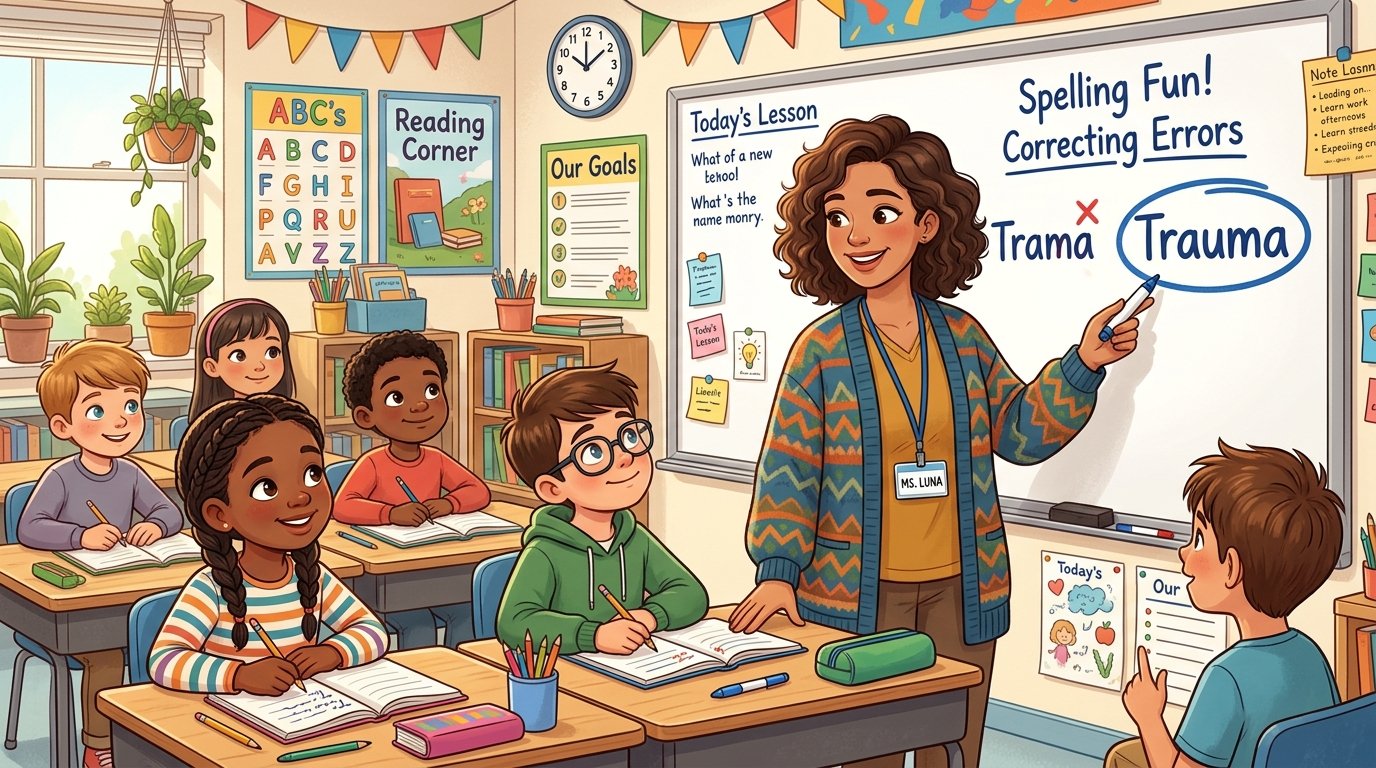
Spelling slip-ups happen to everyone, especially when two words look almost identical or you’re typing in a hurry. One mix-up that pops up a lot online is trama vs trauma. Plenty of people accidentally type “trama” when they really mean “trauma,” particularly while texting fast, posting on social media, or writing something casual.
It’s easy to see why this happens — the two words look nearly the same at a glance. But only one of them is the accepted English spelling for describing emotional or physical injury. Knowing the difference can sharpen your writing and help you avoid an awkward mistake in professional or personal messages.
This guide walks through what each word means, why the confusion keeps happening, and how to use the correct spelling with confidence.
Trama vs Trauma: Breaking Down the Difference
Here’s the simple version:
- “Trauma” is a genuine, standard English word.
- “Trama” is almost always just a typo for “trauma.”
In nearly every English writing context, “trauma” is the spelling you want.
So What Does “Trauma” Mean?
“Trauma” describes intense emotional, mental, or physical suffering brought on by a difficult experience or injury.
A few examples:
- Emotional trauma following a frightening event
- Physical trauma resulting from an accident
- Childhood trauma shaping how someone behaves as an adult
You’ll hear this word constantly in psychology, medicine, therapy sessions, and regular daily conversation.
And What About “Trama”?
Within English, “trama” is generally viewed as an error made while trying to spell “trauma.”
That said, the word does hold real meaning in other languages. For instance:
- In Spanish and Italian, “trama” translates to plot, storyline, or structure.
But when you’re writing standard English — especially anything touching on mental health or injury — “trauma” is the word you should use.
Why Does This Mix-Up Happen So Often?
A handful of reasons explain why so many people confuse these two spellings.
1. Typing Speed
The letter “u” often gets skipped by accident while typing quickly on a phone or keyboard.
For example:
- trauma → trama
This is one of the most frequent typing slips seen online.
2. How the Word Sounds When Spoken
When said casually, the vowel sound in the middle of “trauma” can come out soft or rushed, which makes the missing “u” easy to overlook.
3. Autocorrect Doesn’t Always Catch It
Autocorrect tools sometimes miss this error entirely, especially inside messaging apps and social platforms.
Getting a Deeper Look at What Trauma Really Means
To see why the correct spelling matters, it helps to understand the concept behind the word itself.
Emotional Trauma
This describes the psychological pain caused by painful or distressing experiences.
Common triggers include:
- Abuse
- Losing someone close to you
- Accidents
- Violence
- Natural disasters
Emotional trauma can shape someone’s behavior, relationships, and mental wellbeing long after the original event has passed.
Physical Trauma
In a medical setting, trauma refers to a severe injury to the body.
Examples include:
- Head trauma
- Chest trauma
- Sports-related injuries
- Trauma from surgery
Doctors, nurses, and emergency responders use this term regularly in healthcare environments.
Seeing the Words Used Correctly
Looking at real sentences makes the distinction stick.
Correctly Written Examples Using “Trauma”
- She went through emotional trauma after the crash.
- Childhood trauma can shape how someone forms relationships later in life.
- Doctors treated the patient for serious physical trauma.
- Years of therapy helped him work through his trauma.
Examples With the Mistake
- She went through emotional trama.
- The patient suffered head trama.
In proper English, every one of these should use “trauma” instead.
Does “Trama” Ever Count as Correct?
Yes — just not in English conversations about mental health or medicine.
Where “Trama” Actually Belongs
In Spanish, Italian, and a few other Romance languages, “trama” can mean:
- A story’s plot
- The structure of a narrative
- A woven pattern or framework
For example, in Spanish:
- “La trama de la película” translates to “the plot of the movie.”
Still, this meaning has nothing to do with the English word “trauma.”
Why Getting the Spelling Right Actually Matters
Anything connected to emotional health or medical topics deserves careful, accurate wording.
Using the correct spelling helps you:
- Communicate more clearly
- Sound credible and informed
- Prevent confusion
- Come across as professional
- Show respect for a sensitive subject
Writing “trama” instead of “trauma” in academic or professional content can make the piece look rushed or unpolished.
How Trauma Shows Up in Everyday Conversation
The word “trauma” has become far more common in everyday speech, especially in online spaces.
People often use it to talk about:
- Stressful life events
- Emotional wounds
- Difficult or toxic relationships
- Major life transitions
That said, mental health experts encourage using the word thoughtfully, since real trauma often carries a much deeper psychological weight.
Frequent Spelling and Grammar Slip-Ups
The trama vs trauma confusion shows up most often in casual, unedited writing.
Mistake 1: Missing the “U”
Wrong:
- He is dealing with past trama.
Right:
- He is dealing with past trauma.
Mistake 2: Thinking “Trama” Is Just a Variant Spelling
Unlike spelling differences you’ll find between British and American English, “trama” isn’t a recognized English variation of “trauma” — it’s simply a mistake.
A Simple Trick to Lock In the Right Spelling
Here’s an easy memory trick that works well.
Remember the “AU” in Trauma
Think about:
- Trauma
- Cause
- Pause
These words all share a similar vowel sound and pattern.
Keeping that “au” combination in mind makes it much easier to spell the word correctly going forward.
Trauma’s Role in Psychology and Mental Health
Within psychology, trauma is treated as a serious subject that goes well beyond ordinary sadness or short-term stress.
Mental health professionals frequently discuss:
- Post-traumatic stress disorder (PTSD)
- Childhood trauma
- The emotional recovery process
- Trauma-focused therapy
Given how sensitive and important this topic is, using precise, accurate language really does matter.
Frequently Asked Questions
Is trama an actual word?
“Trama” is a real word in languages like Spanish and Italian, but in English it’s usually just a misspelling of “trauma.”
Which is the correct spelling — trama or trauma?
“Trauma” is the correct English spelling whenever you’re referring to emotional or physical injury.
Why do people accidentally type trama instead of trauma?
Most often it comes down to fast typing, quick texting habits, or the way the word sounds when spoken casually.
What exactly does trauma mean?
Trauma refers to emotional, mental, or physical harm that results from a distressing experience or injury.
Is trauma always about emotions?
No. Depending on the situation, trauma can be emotional, mental, or physical.
Wrapping It Up
Once you know that “trauma” is the standard English spelling, the trama vs trauma confusion becomes much easier to resolve. “Trama” may carry meaning in other languages, but within English writing about emotional or physical injury, it’s almost always treated as a typo.
Since trauma is such an important word across psychology, healthcare, and daily conversation, using the correct spelling helps keep your writing clear and credible. Whether you’re working on an article, a social media caption, an academic paper, or a personal text, paying attention to small spelling details goes a long way toward stronger communication.
The next time you hesitate, remember this simple rule: whenever you’re describing emotional distress, mental health, or physical injury in English, “trauma” is always the correct choice.







Leave a Reply