

Three similar-looking versions of one word often show up online: passerby, passersby, and passerbyers. If you’ve ever paused mid-sentence wondering passerbyers or passersby or passerby, this guide will settle the confusion for good.
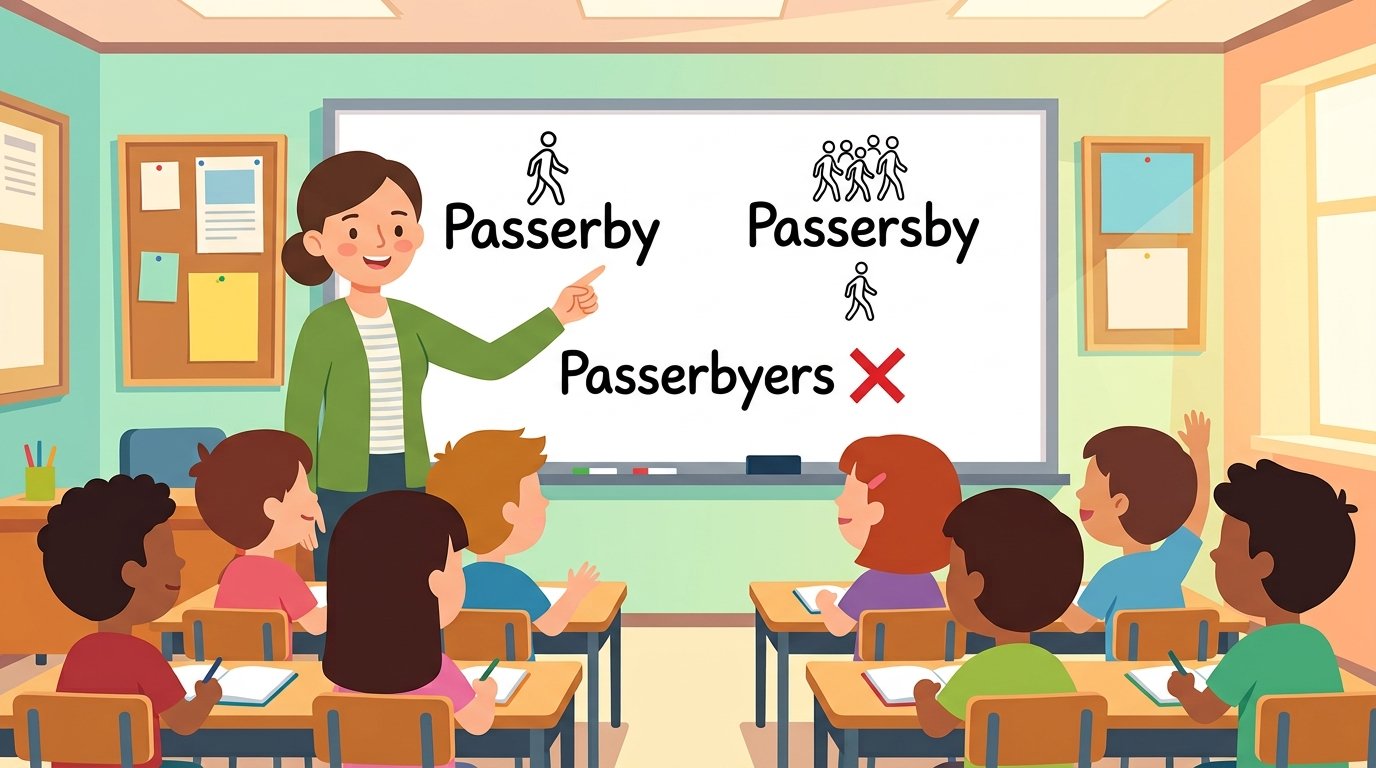
Passerbyers or Passersby or Passerby: The Quick Answer
- Passerby — Correct singular form
- Passersby — Correct plural form
- Passerbyers — Incorrect in standard English
Only two of these three versions actually exist in proper grammar. The third, “passerbyers,” is a common mistake that never made it into any dictionary.
What Does “Passerby” Mean?
A passerby is a person who happens to be walking past a particular place. The word combines two parts:
- Passer — someone who passes
- By — describing direction or proximity
Grammarians classify it as a compound noun, built by joining two words into one meaning.
Example
- A passerby noticed the child drop her wallet.
Why “Passerbyers” Is Incorrect
English speakers often add “-er” to create a word for “someone who does something” — runner, teacher, builder. So “passerbyer” might feel logical at first glance. But it isn’t correct, for a simple reason:
The word “passer” already contains the “-er” ending, meaning “one who passes.” Adding another “-er” creates unnecessary repetition — essentially saying “one who one who passes.” English doesn’t stack agentive endings like this within the same compound noun.
Incorrect Forms to Avoid
- Passerbyers
- Passerbies
- Passerbys
Correct Forms
- Passerby (singular)
- Passersby (plural)
Passerby or Passersby: How the Plural Works
The plural of passerby isn’t formed the usual way. Since “passer” is the main noun in this compound word, that’s the part that changes to plural — not “by.”
So instead of “passerbys” or “passerbyes,” English pluralizes the first word:
- One passerby
- Two passersby
This pattern is called “head-first pluralization,” where English forms the plural by changing the key noun rather than the descriptive word that follows.
Similar Examples
| Singular | Plural |
|---|---|
| Mother-in-law | Mothers-in-law |
| Runner-up | Runners-up |
| Passerby | Passersby |
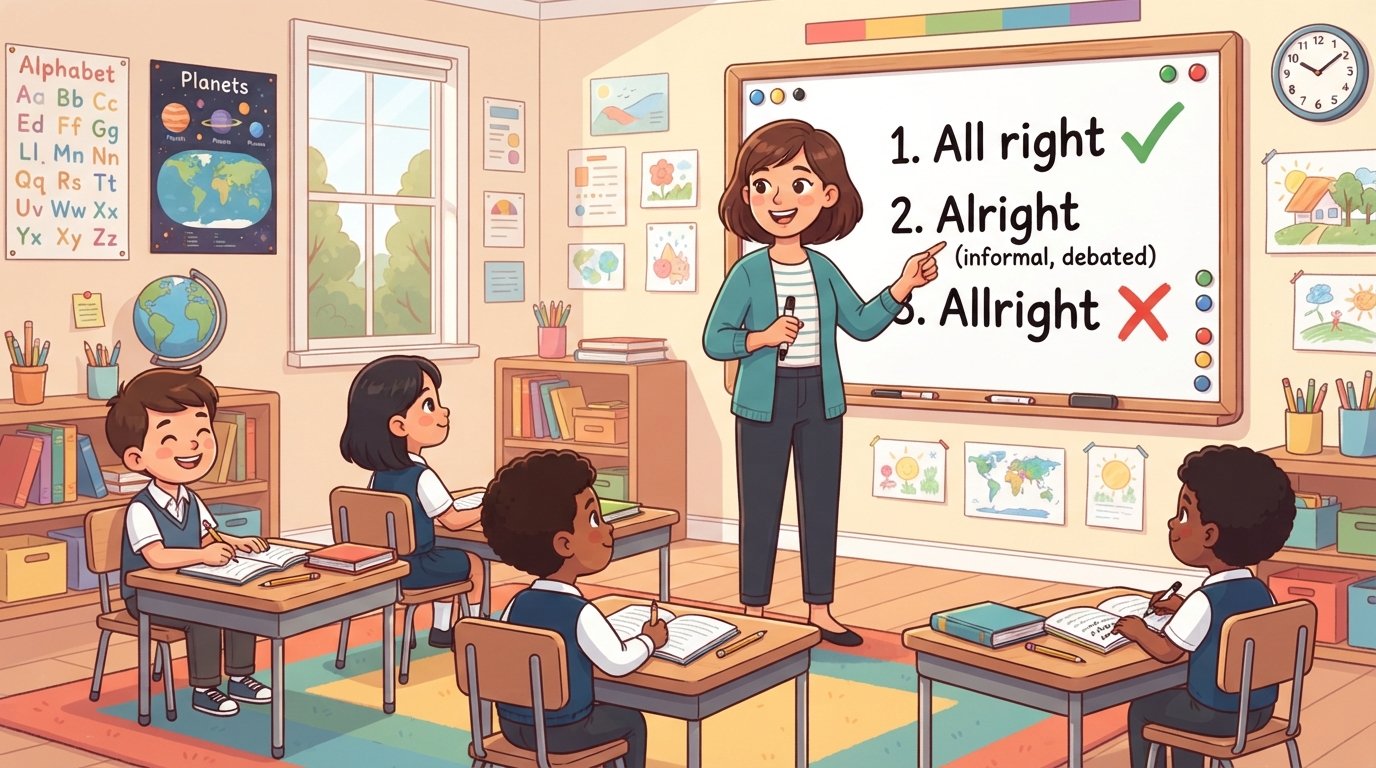
Passers-by or Passersby: Does the Hyphen Matter?
Historically, “passers-by” (with a hyphen) was the standard written form. Over time, English writing shifted toward the closed, hyphen-free compound: “passersby.”
Today, most modern dictionaries and major news publications favor “passersby” without the hyphen, especially in American English. British English sometimes still uses the hyphenated version, but “passersby” has become the more common global standard.
Passerbyers or Passersby or Passerby: Seeing It in Context
Seeing correct usage in context makes the rule easier to remember.
Correct
- The police interviewed several passersby after the incident.
- A passerby noticed smoke coming from the building.
- Curious passersby stopped to watch.
Incorrect
- The police interviewed several passerbyers after the incident.
- A passerbyer noticed smoke coming from the building.
Why This Mistake Happens So Often
People naturally assume compound nouns follow the same rule as simple words — add “-er,” then add “-s” for the plural, just like “runner” becomes “runners.” But passerby doesn’t follow that pattern because it’s built differently: the meaningful noun sits at the front of the word, not the end.
This is the same logic behind other compound plurals like:
- Attorney general → Attorneys general
- Sister-in-law → Sisters-in-law
- Hanger-on → Hangers-on
In each case, the plural attaches to the noun that carries the real meaning — not the preposition or modifier that follows it.
A Simple Trick to Remember the Rule
Think of it this way: “the passers are the ones going by — pluralize the passers, not the by.”
If you keep that phrase in mind, you’ll never accidentally write “passerbyers” again.
Synonyms for “Passerby”
If you want alternative wording, similar terms include:
- Onlooker
- Observer
- Bystander
- Spectator
These words carry a slightly different tone but generally describe someone present at or near an event without direct involvement.
Passerbyers or Passersby or Passerby: Quick Reference Table
Here’s a quick summary table for passerbyers or passersby or passerby.
| Term | Correct? | Use Case |
|---|---|---|
| Passerby | Yes | One person walking past |
| Passersby | Yes | Multiple people walking past |
| Passerbyers | No | Common but incorrect mistake |
| Passers-by | Yes (older style) | Hyphenated, traditional form |
FAQs About Passerbyers or Passersby or Passerby
Why is “passersby” the correct plural, not “passerbys”?
Because in compound nouns like “passer-by,” the plural attaches to the main noun (“passer”), not the modifier (“by”). That gives you “passersby.”
Is “passerbyers” ever acceptable in English?
No. “Passerbyers” is grammatically incorrect and considered a common misspelling caused by misunderstanding how compound nouns pluralize.
What’s the difference between “passers-by” and “passersby”?
Both refer to the same plural meaning. “Passers-by” is the older, hyphenated form, while “passersby” is the modern, closed-compound spelling now favored by most style guides.
How can I remember which form to use?
Compare it to similar words like “attorneys general” or “mothers-in-law” — the plural always applies to the first, meaningful word rather than the second.
What does “passerby” actually mean?
A passerby is a person who happens to be walking past a specific place, without necessarily stopping or getting involved.
Conclusion
When choosing between passerbyers or passersby or passerby, remember this simple rule: passerby is the correct singular form, passersby is the correct plural, and passerbyers doesn’t belong in standard English at all. Understanding how compound nouns pluralize — by changing the main noun rather than the modifier — makes this word, and many others like it, much easier to use correctly.






Leave a Reply