


How long until 2:30 PM? The answer depends on your starting time and the date you mean. If it is 1:55 PM, there are 35 minutes left. If it is 11:40 AM, there are 2 hours and 50 minutes left. These are examples, not a live reading of your clock.
To calculate your own answer, compare the current time with 2:30 PM in the same time zone. If today’s target has passed, decide whether you want the time since it passed or the wait until tomorrow. Those are different questions with different answers.
What Time Is 2:30 PM?
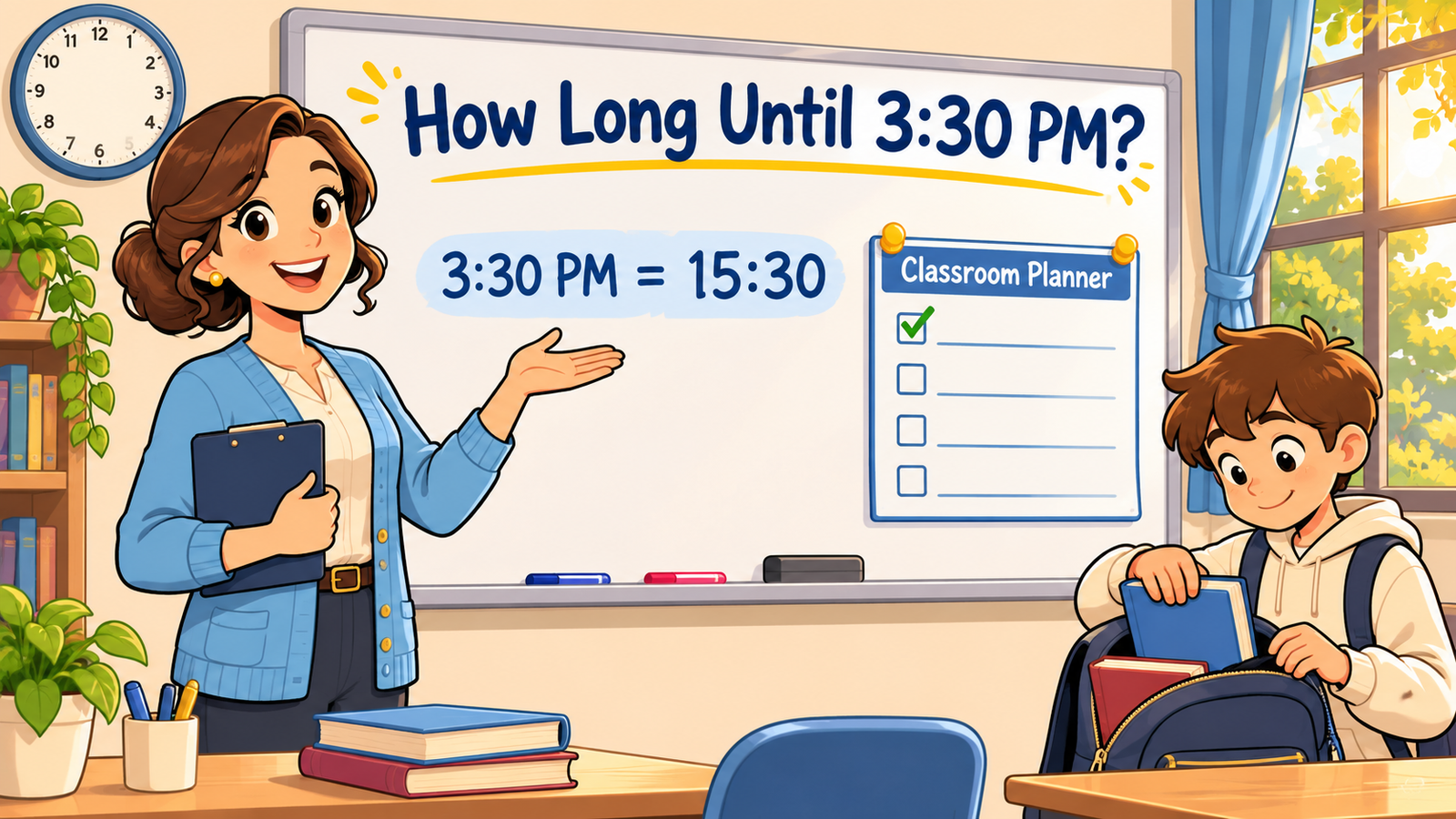
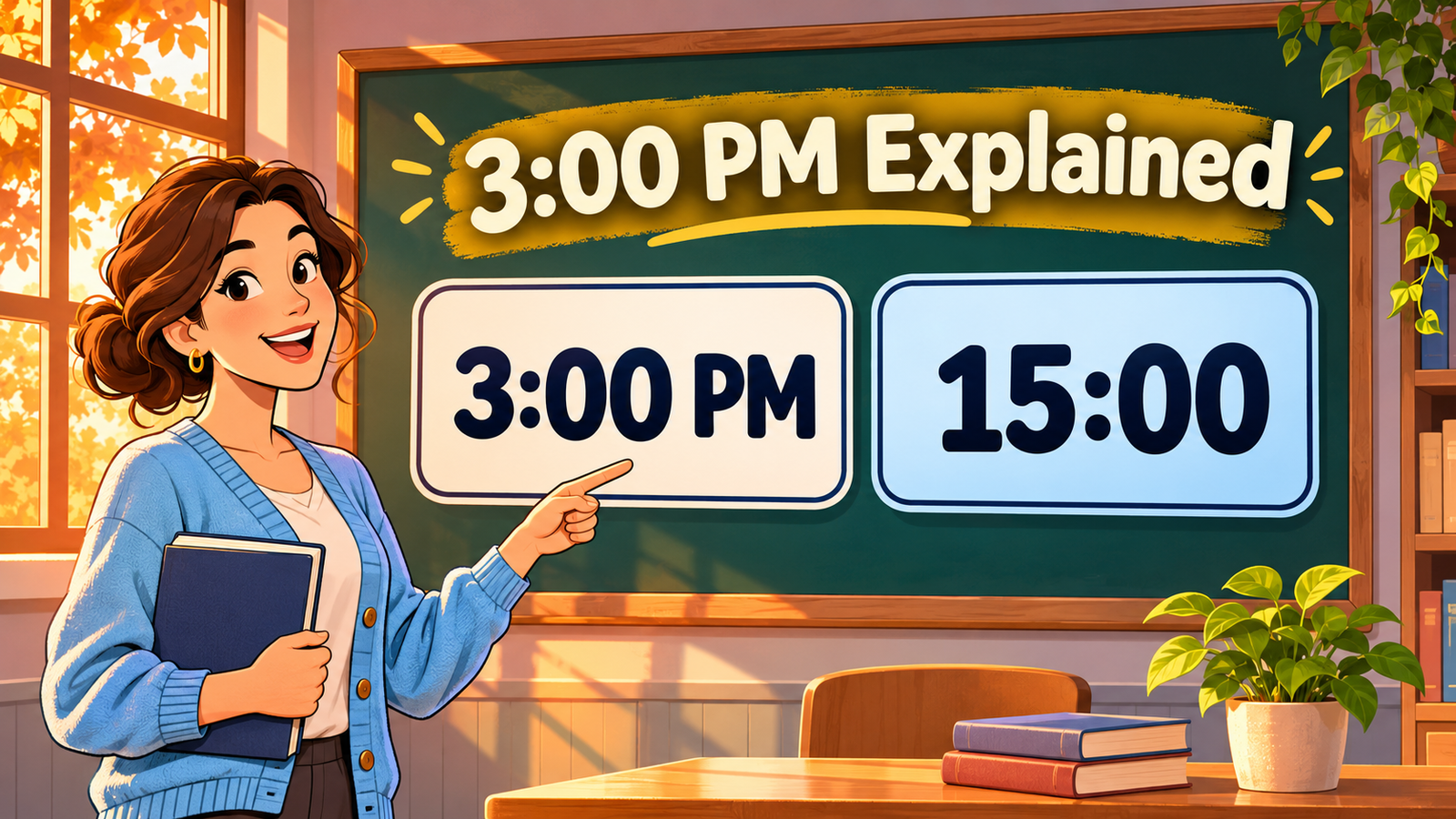
2:30 PM is half past two in the afternoon. In the 24-hour system, it is 14:30. It is not 02:30, which refers to half past two in the morning. Writing the full time prevents a twelve-hour misunderstanding when planning an appointment or joining a call.
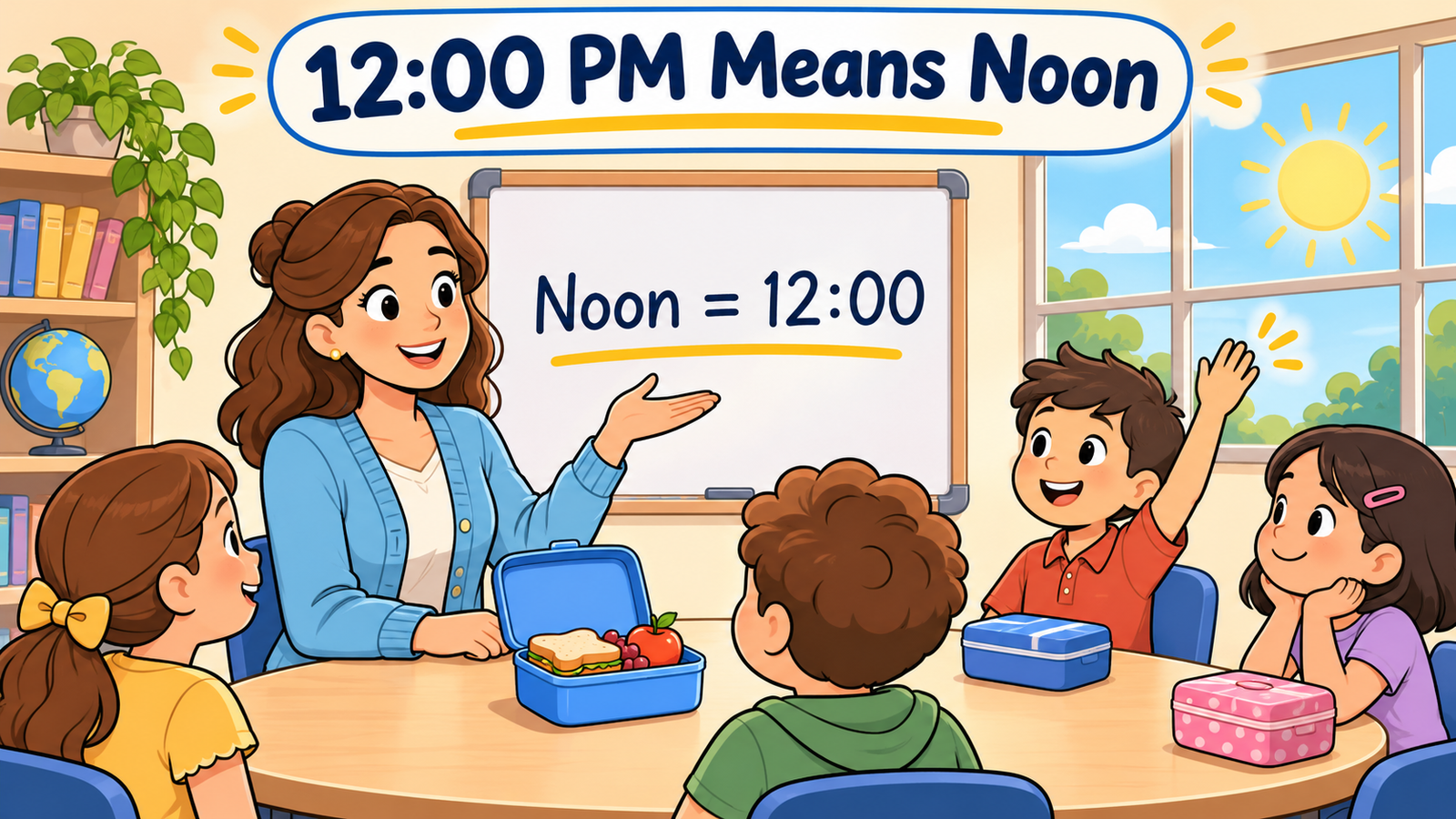
The target falls two hours and thirty minutes after noon. This makes noon a useful checkpoint for calculations that begin in the morning. For example, from 11:40 AM to noon is 20 minutes, then from noon to 2:30 PM is 2 hours and 30 minutes. Adding them gives 2 hours and 50 minutes.
Calculate the Wait by Counting Forward
Counting forward is often easier than subtracting clock numbers. Start at your current time, move to the next convenient hour, and then continue to 2:30 PM. Keep the separate intervals small enough to check mentally. Finally, add the hours and minutes.
Suppose it is 12:47 PM. There are 13 minutes until 1 PM, another hour until 2 PM, and 30 more minutes until 2:30 PM. The total is 1 hour and 43 minutes. You can check this by adding that duration back to 12:47 PM and confirming that you reach 2:30 PM.
Convert Both Times Into Minutes
For a same-day calculation, express both times as minutes after midnight. The target 14:30 becomes 14 × 60 + 30 = 870 minutes. Convert the starting time the same way, then subtract the smaller total from 870. This avoids borrowing across hours.
At 10:18 AM, the starting total is 618 minutes. Subtracting gives 870 − 618 = 252 minutes. Since 252 contains four groups of 60 with 12 left over, the result is 4 hours and 12 minutes. The method works well when the minute values are awkward.
Example Waiting Times
From 12:05 PM to 2:30 PM, the wait is 2 hours and 25 minutes. From 1:12 PM, it is 1 hour and 18 minutes. From 1:58 PM, it is 32 minutes. From 2:17 PM, it is 13 minutes. Each example assumes the target is later that same day.
Near the target, remember that seconds matter if you need precision. At 2:29:20 PM, only 40 seconds remain, not a full minute. A clock displaying only hours and minutes cannot tell you the exact number of seconds left. Use an accurate clock with seconds if that detail matters.
What If 2:30 PM Has Already Passed?
If it is 3:10 PM, today’s 2:30 PM was 40 minutes ago. The next daily occurrence is tomorrow at 2:30 PM. On a day without a clock-offset change, the wait to that next occurrence is 23 hours and 20 minutes. Clearly label tomorrow so the date is not lost.
Do not silently move a real appointment to tomorrow just because its time has passed. If your event was scheduled for today, it may be late or over. The “next occurrence” rule is useful for a repeating daily time, but a dated appointment must keep its actual calendar date.
Handling the Exact Target Time
At exactly 2:30 PM, the wait until today’s target is zero. If you are measuring strictly until the following day’s occurrence, the usual answer is 24 hours, provided no clock change intervenes. Both answers can be correct, but they describe different targets.
For an ordinary countdown, reaching zero should mean the chosen event time has arrived. A daily reminder may reset for the next day instead. Before relying on a timer, check which behavior you expect, especially if you are using it to judge whether a deadline is still ahead.
Time Zones and Clock Changes
The current time and target must refer to the same zone before you subtract them. If an invitation says 2:30 PM in another city, first identify the event date and that city’s time zone. Then convert the target to your local time or compare both as complete timestamps.
Simple clock subtraction assumes the UTC offset stays unchanged during the interval. A daylight-saving transition can make the actual elapsed wait differ from the apparent difference between clock faces. For an event spanning such a change, use a calendar or date-aware time tool with the correct location and date.
Plan Backward From the Appointment
Time until an event is not necessarily time available for other tasks. Suppose it is 1:20 PM and your appointment begins at 2:30 PM. You have 70 minutes until the start, but a 25-minute journey and a 10-minute arrival buffer leave only 35 minutes before you should depart.
Write the departure time separately from the appointment time. In this example, you should leave at 1:55 PM to allow the full journey and buffer. This turns a countdown into a usable plan and prevents a common mistake: treating all remaining minutes as free time at home.
Minutes Are Not Decimal Fractions
An hour contains 60 minutes, so 1 hour and 30 minutes equals 1.5 hours. It does not equal 1.30 hours. Similarly, a 45-minute wait is three-quarters of an hour, or 0.75 hours. This matters when entering durations into spreadsheets or systems that expect decimal hours.
If your result is 1 hour and 18 minutes, convert it to 78 minutes first or calculate 1 + 18 ÷ 60 = 1.3 hours. Keep the units visible beside the result. A number such as 1.30 can otherwise be mistaken for either a decimal duration or a clock time.
Frequently Asked Questions
How long until 2:30 PM from 1:45 PM?
There are 45 minutes left, assuming both times are on the same day in the same time zone.
How long until 2:30 PM from noon?
The wait is 2 hours and 30 minutes, or 150 minutes.
What is 2:30 PM in 24-hour time?
It is 14:30. The time 02:30 is 2:30 AM.
What if it is already after 2:30 PM?
Today’s target has passed. For the next daily occurrence, calculate until tomorrow at 2:30 PM and include the date.
Does this page show a live countdown?
No. The examples explain the calculation. Use your current clock time to work out your own result.
Can the wait until tomorrow differ because of daylight saving?
Yes. If the local UTC offset changes during the interval, elapsed time can differ from simple clock-face subtraction.
Conclusion
To find how long until 2:30 PM, identify the correct date and time zone, then count forward or subtract the times in minutes. Check your answer by adding the duration back to the starting time.
For appointments, allow travel and preparation time separately. A clear calculation tells you when the event begins; a realistic plan tells you when to act.


Leave a Reply