

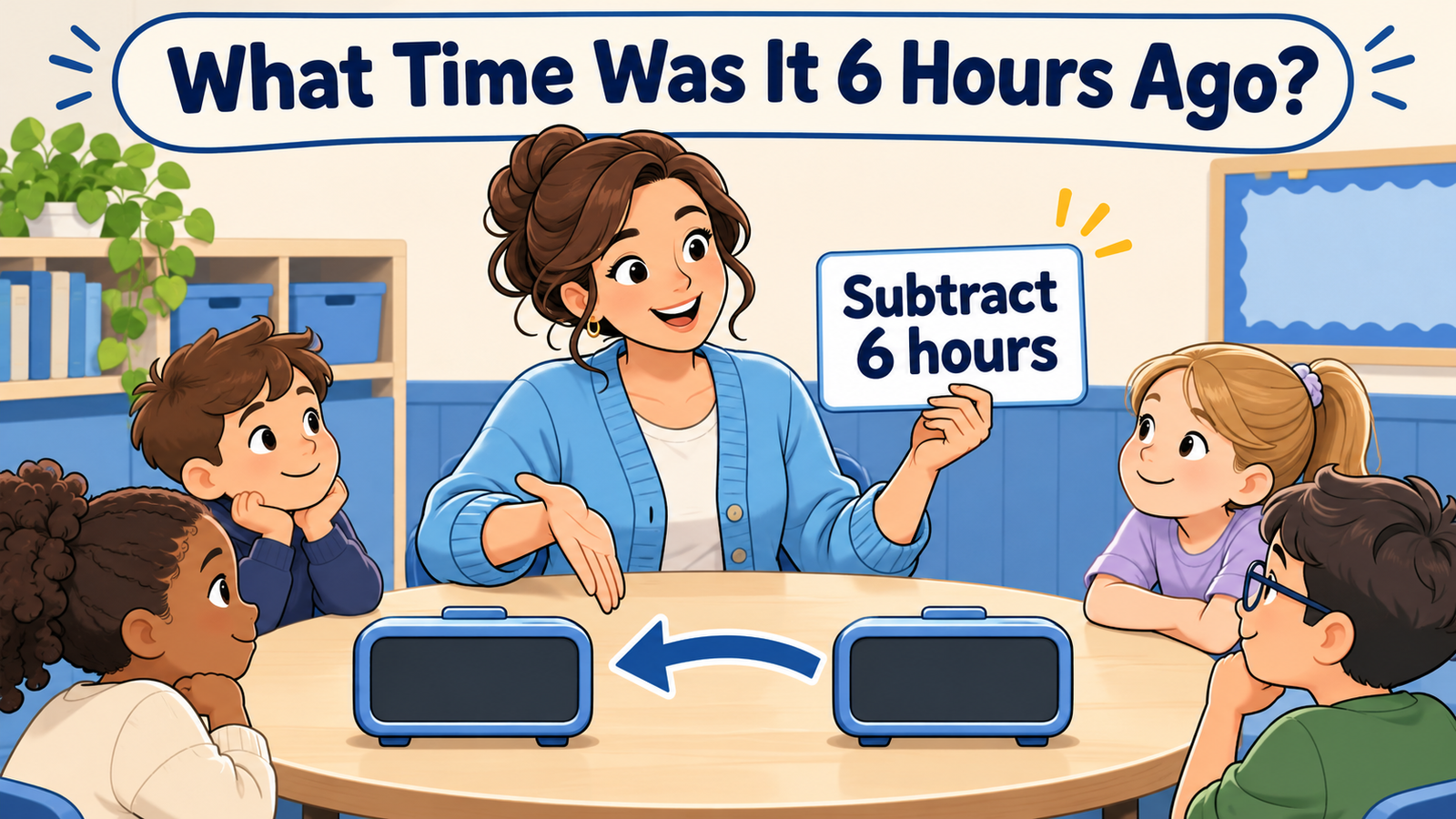
To find what time it was 6 hours ago, subtract six hours from your reference date and time. At 2:35 PM, the answer is 8:35 AM on the same day. At 4:20 AM, it is 10:20 PM on the previous day, assuming no clock-offset change.
There is no single clock reading that answers this question for everyone. Your starting moment determines the result. This guide provides fixed examples and a method you can apply to your own clock, with particular attention to AM, PM, and the date.
Start With the Correct Reference Moment
The reference moment is the point from which you count backward. In ordinary conversation, “six hours ago” means six hours before now. In an old screenshot or saved report, it may mean six hours before that image or report was created instead.
Suppose you are reading a screenshot captured at 8:10 PM. Its six-hours-ago reference points to 2:10 PM that day, not six hours before the moment you opened the screenshot. Identify the reference first. Otherwise, an accurate subtraction can still describe the wrong event time.
Subtract Six From the Hour
For a straightforward same-day example, begin at 10:45 AM and move back six hours to 4:45 AM. The minutes remain 45 because you are subtracting whole hours. If the starting time includes seconds, those also remain unchanged when the clock offset is constant.
From 9:18 PM, six hours earlier is 3:18 PM. Notice that PM stays PM in this example. You should not automatically reverse AM and PM whenever you subtract hours. The label changes only when your movement crosses noon or midnight.
Use the 24-Hour Method
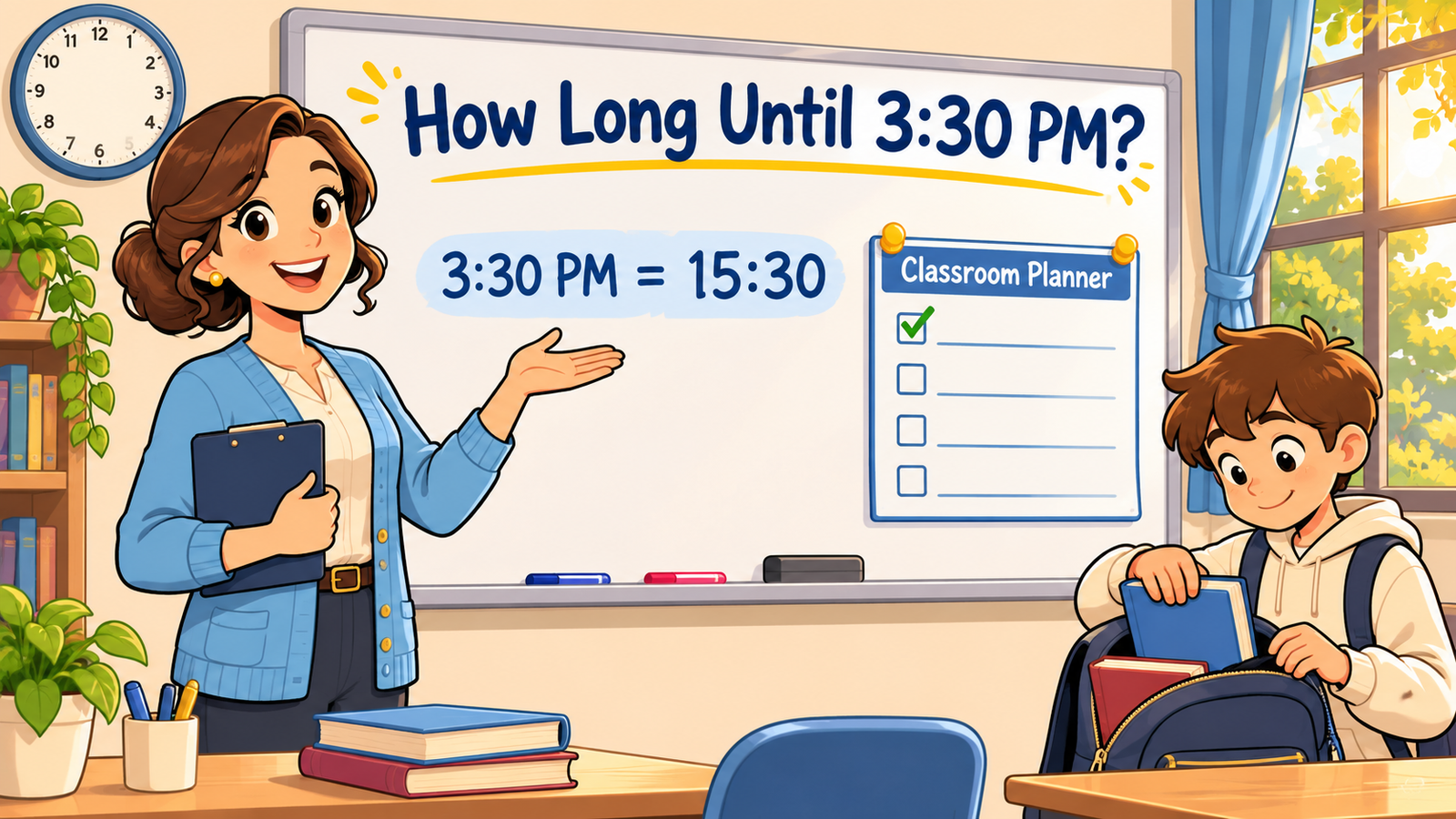
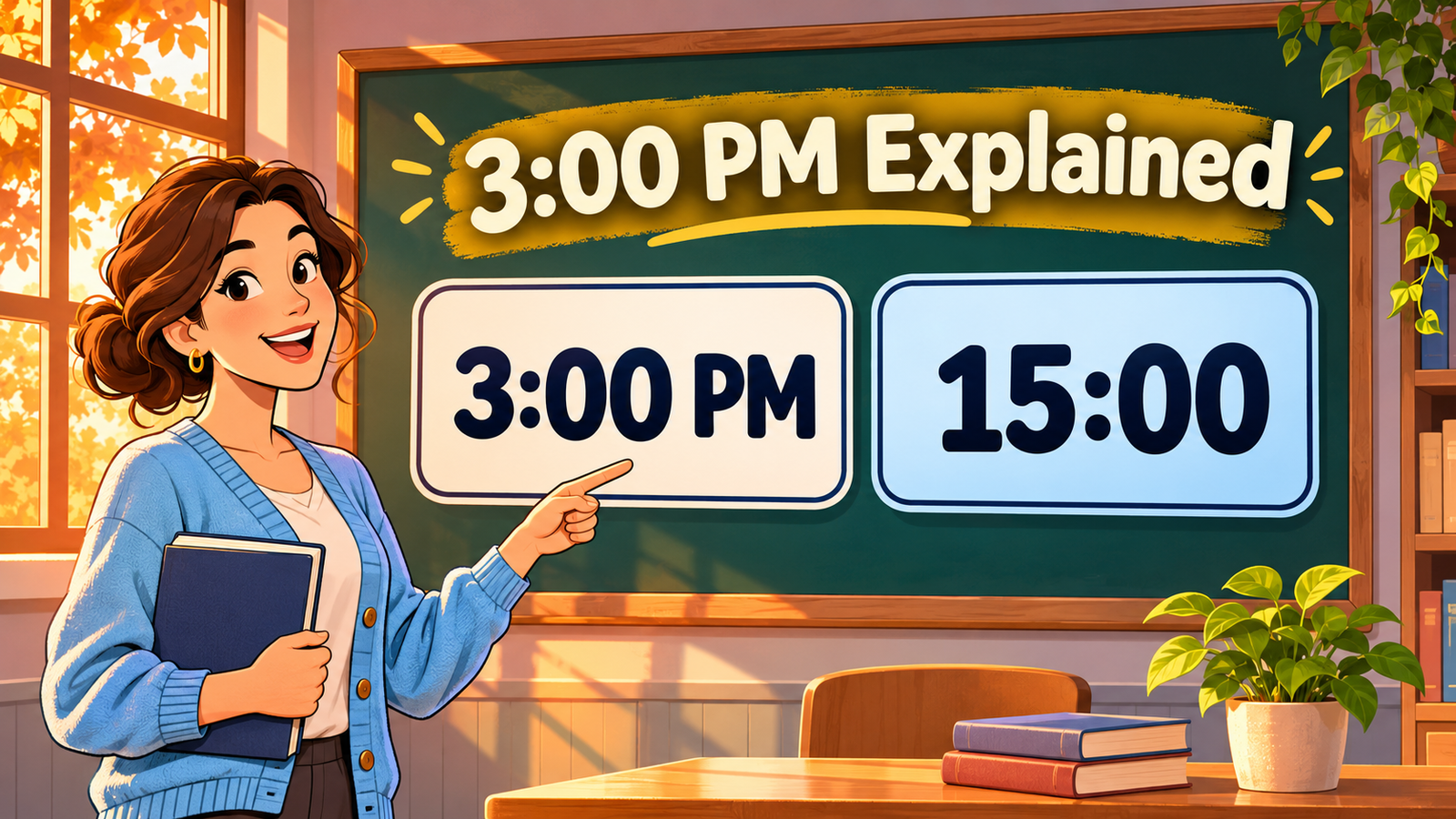
A 24-hour clock removes some AM/PM guesswork. Convert 2:35 PM to 14:35, then subtract six from fourteen to reach 08:35. The result is 8:35 AM on the same date. The minute value does not need any adjustment.
If the hour becomes negative, add twenty-four and move back one date. For 04:20, four minus six is negative two. Adding twenty-four gives twenty-two, so the answer is 22:20 yesterday. Converting back to a 12-hour clock gives 10:20 PM.
When Does the Date Change?
Under an unchanged local offset, starting before 6 AM means the result falls on the previous date. Starting at 6 AM or later gives a same-day result. At exactly 6 AM, six hours earlier was midnight at the beginning of that day.
Compare 5:59 AM and 6 AM. The first produces 11:59 PM yesterday; the second produces 12 AM today. That boundary is easy to overlook if you write only the clock time. Always attach “today,” “yesterday,” or the actual calendar date to your answer.
Examples Across Different Hours
At 12:30 AM, six hours earlier was 6:30 PM yesterday. At 7:15 AM, it was 1:15 AM today. At 12:50 PM, it was 6:50 AM today. At 5:40 PM, it was 11:40 AM today. At 11:05 PM, it was 5:05 PM today.
Use these as patterns rather than live answers. If your starting time is ten minutes later than one of the examples, the result is also ten minutes later, subject to any date or offset boundary. Keeping the same minutes is a useful first check for whole-hour subtraction.
Noon and Midnight Are Different
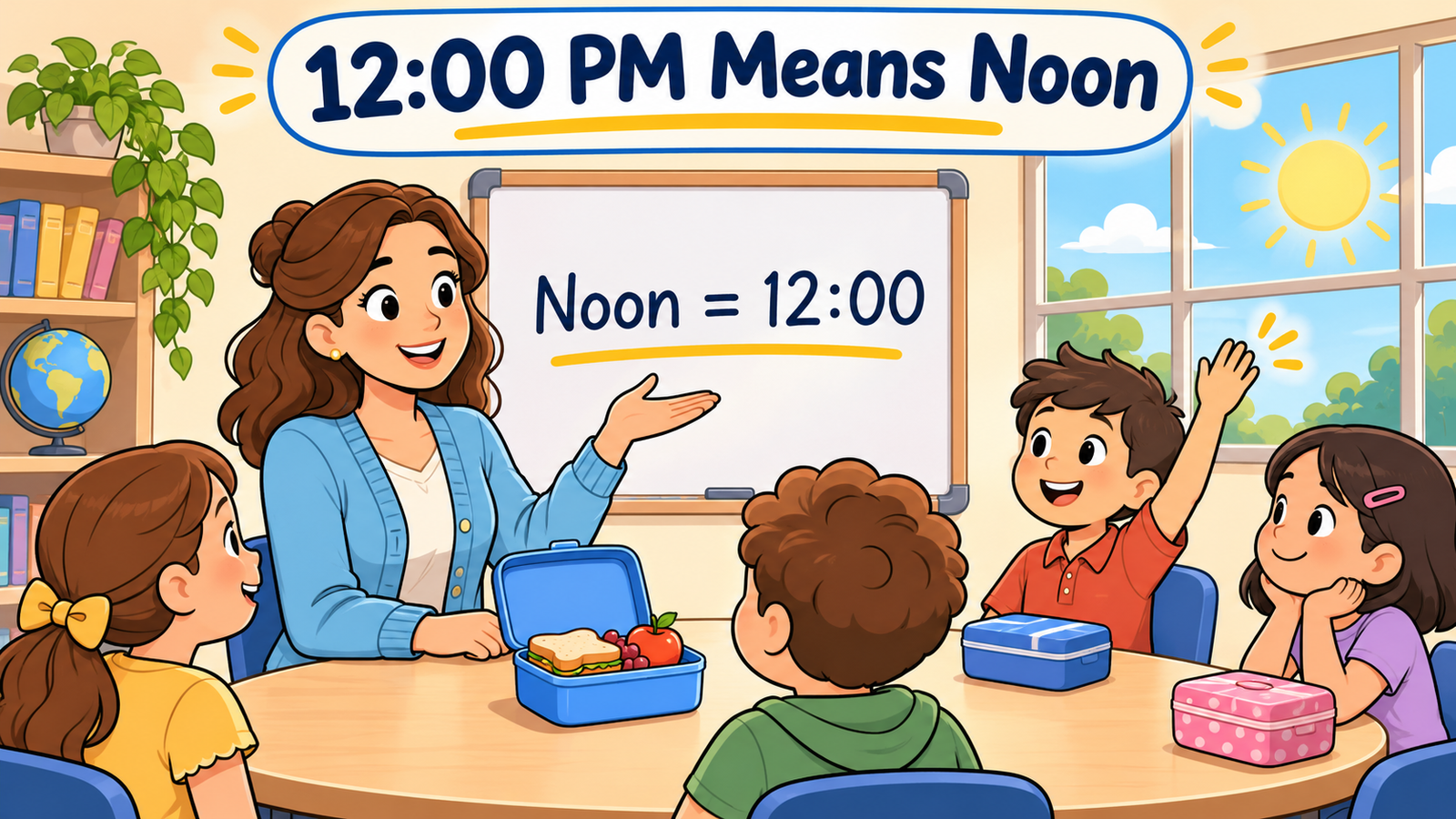
12 PM means noon; 12 AM means midnight. Six hours before noon is 6 AM on the same date. Six hours before midnight is 6 PM on the previous date. The shared number twelve makes the labels especially important.
In 24-hour notation, noon is 12:00 and midnight at the start of a date is 00:00. If you are writing a report for someone who may misread AM and PM, use the 24-hour clock with a full date. That makes the result less dependent on the reader remembering the twelve-hour conventions.
Crossing Into a Previous Month or Year
A six-hour subtraction can cross more than a day label. From January 1 at 3:25 AM, the result is December 31 at 9:25 PM in the previous year. The time is only six hours earlier, but both the month and year change.
From the first day of another month before 6 AM, you land on the previous month’s final date. Do not assume that date is always the thirtieth or thirty-first. Use the actual calendar, especially around February, where the last date depends on whether the year is a leap year.
Six Hours in Minutes and Seconds
Six hours equals 360 minutes because six multiplied by sixty is 360. It also equals 21,600 seconds. These are duration conversions, so they do not change with your location or the current date.
A duration of six hours is one-quarter of a standard twenty-four-hour day. However, adding or subtracting a quarter of a local calendar day is not always the same operation around clock changes. For an exact elapsed interval, keep the duration in hours or seconds and apply it to a complete timestamp.
Read Relative Timestamps Carefully
A message label saying “6 hours ago” may be rounded. Without knowing the platform’s display rules, you cannot conclude that the message was sent exactly six hours and zero minutes earlier. It may only indicate a general age range.
If you need precision, look for the original timestamp in the message or record details. Note whether it is displayed in your local time or another zone. A screenshot also freezes a relative label at a particular moment, so keep the capture time when using it to reconstruct an event.
Account for Time Zones and Clock Changes
If the starting timestamp is in one zone and you want the answer in another, make the conversion deliberately. Six elapsed hours does not change in length, but the displayed local time can differ. Keep the zone attached to each timestamp so the result remains interpretable.
A daylight-saving change during the six-hour interval can make simple wall-clock subtraction differ from elapsed-time subtraction. For that situation, subtract six hours from a complete timestamp and then display it in the intended zone. The simple before-6-AM date rule assumes the offset stayed unchanged.
Verify the Result by Addition
Add six hours back to your calculated answer. If you obtained 10:20 PM yesterday, adding two hours reaches midnight today and four more reaches 4:20 AM. That matches the starting time and confirms that the date was handled correctly.
Also check that you subtracted rather than added. “Six hours ago” points backward, while “six hours from now” points forward. At 2 PM, those produce 8 AM and 8 PM respectively. Writing the direction beside your calculation is a simple way to prevent a convincing-looking but reversed answer.
Frequently Asked Questions
What time was it six hours ago?
Subtract six hours from your reference date and time. The result depends on when you start.
What is six hours before 3 PM?
It is 9 AM on the same day, assuming no offset change.
What is six hours before 2 AM?
It is 8 PM on the previous day under ordinary unchanged-offset conditions.
Do the minutes change?
No, not when subtracting exactly six whole hours with a constant clock offset.
How many minutes are six hours?
Six hours equals 360 minutes or 21,600 seconds.
Is this a live time calculator?
No. The examples explain the method. Use your current time or the timestamp relevant to your question.
Conclusion
To calculate six hours ago, identify the reference moment, subtract six hours, and retain the correct AM/PM label and date. A 24-hour clock can make the operation easier to follow.
Check your result by adding six hours back. For old screenshots, rounded labels, or clock changes, use the complete timestamp rather than relying on the visible hour alone.




Leave a Reply