


Ever typed “encorporate” and wondered if your spell-checker was right to flag it? You’re not the only one. The debate around incorporate vs encorporate is a common spelling mix-up, especially among writers, students, and business professionals.
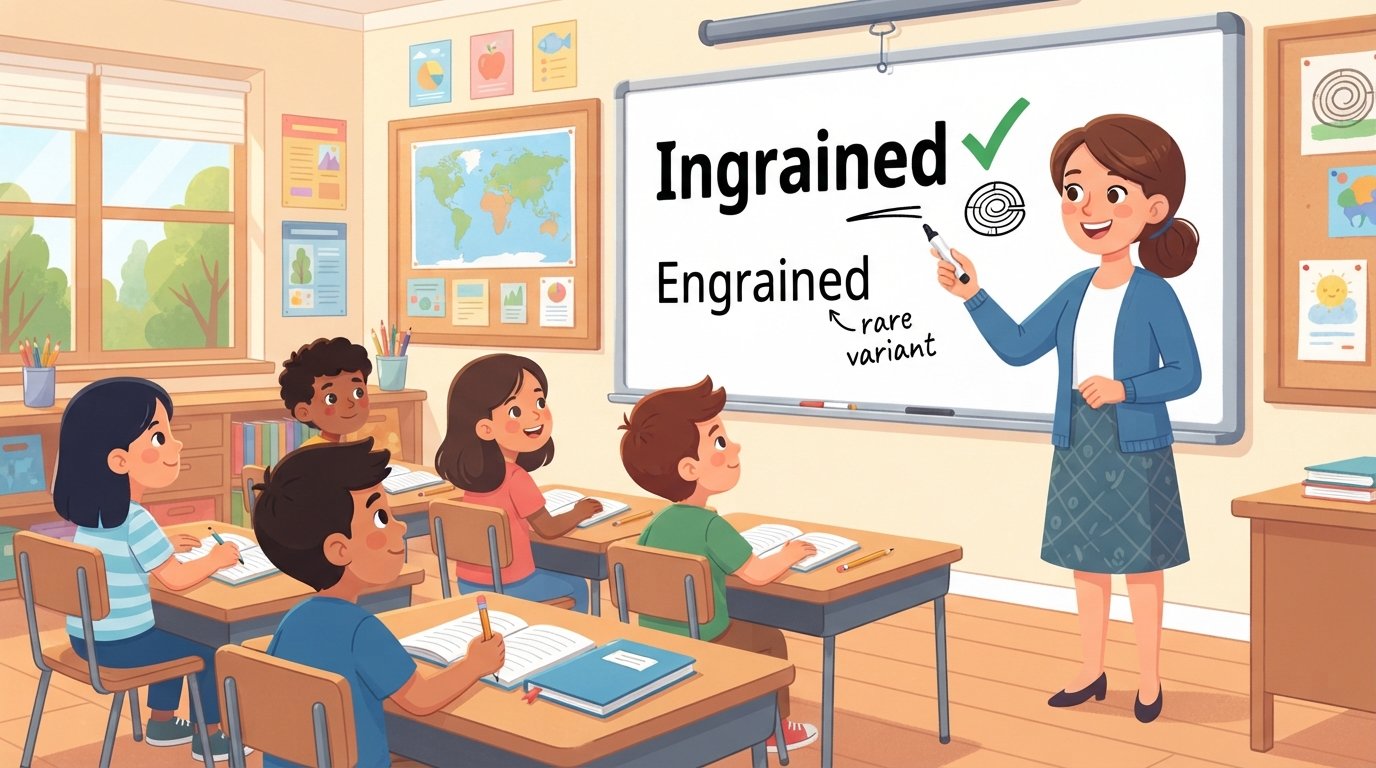
The short answer: “incorporate” is the correct English spelling, while “encorporate” is considered a misspelling. This guide walks through what “incorporate” actually means, why the confusion happens, real usage examples, and simple tips to lock in the correct spelling.
What Does “Incorporate” Mean?
The word incorporate is a verb meaning to include, combine, or bring something into a larger whole. It also carries a legal meaning tied to forming a company or corporation.
Depending on context, “incorporate” can mean:
- To add something into a plan, document, or design
- To blend different ideas or elements together
- To legally establish a business as a corporation
Examples of “Incorporate” in a Sentence
- The teacher decided to incorporate new technology into her lessons.
- The architect incorporated sustainable materials into the building design.
- The entrepreneurs chose to incorporate their company in Delaware.
- You should incorporate customer feedback into your marketing strategy.
In each of these, the word points to adding or combining something in a meaningful way.
Is “Encorporate” Actually a Word?
No — “encorporate” isn’t recognized as a word in modern standard English. It’s a common spelling error that likely comes from the fact that plenty of English words begin with the prefix “en-,” such as:
- Encourage
- Enable
- Enclose
- Enrich
Because these words start with “en,” people sometimes mistakenly write “encorporate” instead of “incorporate.”
That said, dictionaries, style guides, and professional writing standards recognize only “incorporate” as the correct spelling.
Incorporate vs Encorporate: A Quick Comparison
| Feature | Incorporate | Encorporate |
|---|---|---|
| Correct English word | Yes | No |
| Found in dictionaries | Yes | No |
| Used in professional writing | Yes | No |
| Means to combine or form a corporation | Yes | No |
| Accepted in academic writing | Yes | No |
The comparison makes it obvious: when deciding between incorporate vs encorporate, always go with incorporate.
Why Do People Misspell It as “Encorporate”?
English spelling gets confusing because plenty of words sound alike or follow patterns that aren’t always obvious.
Here are a few reasons behind the mistake:
1. Confusion With the “En-” Prefix
Since many English verbs start with “en,” people naturally assume “encorporate” follows the same pattern.
2. Pronunciation Similarities
Spoken quickly, the beginning of “incorporate” can sound close to “en,” especially in certain accents.
3. Typing Errors and Autocorrect Issues
Fast typing or simple unfamiliarity with the word can lead people to write “encorporate” without ever realizing it’s wrong.
Where Does the Word “Incorporate” Come From?
Understanding the word’s history makes it a lot easier to remember.
Incorporate comes from the Latin word incorporare, meaning “to unite into one body.” The root “corpor” means “body,” and the prefix “in-“ means “into.”
This Latin origin is exactly why the correct spelling starts with “in” rather than “en.”
Simple Tricks to Remember the Correct Spelling
If you often mix up incorporate vs encorporate, these tricks can help:
- Think of “in” as meaning “into” something.
- Remember that a company gets incorporated “into” a legal structure.
- Connect the word to its Latin origin, incorporare.
- Use spell-check tools whenever you’re writing formal documents.
With a bit of practice, the correct spelling becomes second nature.
Everyday Situations Where You’ll Use “Incorporate”
The word shows up across many areas of everyday and professional communication.
In Business
Companies may incorporate to gain legal recognition and certain protections.
Example:
- “The startup plans to incorporate before seeking investors.”
In Writing and Research
Writers often incorporate sources, ideas, and feedback into their work.
Example:
- “The article incorporates data from several scientific studies.”
In Design and Creativity
Artists and designers incorporate various elements into their projects.
Example:
- “The designer incorporated traditional patterns into the modern collection.”
Incorporate vs Encorporate in Business Terminology
In business language, “incorporate” carries a specific legal meaning. It refers to the process of registering a company as a corporation under the laws of a particular jurisdiction.
You’ll likely encounter related terms such as:
- Incorporation
- Incorporated (Inc.)
- Corporate structure
- Articles of incorporation
Using “encorporate” in legal documents, business plans, or official communications would be considered a clear error.
FAQs About Incorporate vs Encorporate
Is it spelled “incorporate” or “encorporate”?
The correct spelling is incorporate. “Encorporate” is a misspelling and isn’t accepted in standard English.
Is “encorporate” in the dictionary?
No. Major English dictionaries don’t recognize “encorporate” as a correct word.
What does “incorporate” mean?
Incorporate means to include, combine, or integrate something into a larger whole. It can also mean legally creating a corporation.
Why do people write “encorporate”?
People often write “encorporate” because so many English words start with “en,” making it a natural — but incorrect — assumption.
How can I remember the spelling of “incorporate”?
Remember that “in” means “into,” which lines up with the idea of bringing something into a whole. That distinction helps separate it from the incorrect spelling “encorporate.”
Conclusion
The confusion around incorporate vs encorporate is understandable, but the rule is simple: incorporate is the only correct spelling. Whether you’re writing a school paper, drafting a business document, or describing the act of combining ideas, “incorporate” is the word you should reach for.
Understanding the meaning, origin, and correct usage of “incorporate” can help you avoid a common writing mistake and communicate more professionally. If you’re looking to sharpen your English further, exploring more guides on commonly confused words and grammar rules is a great next step.








Leave a Reply